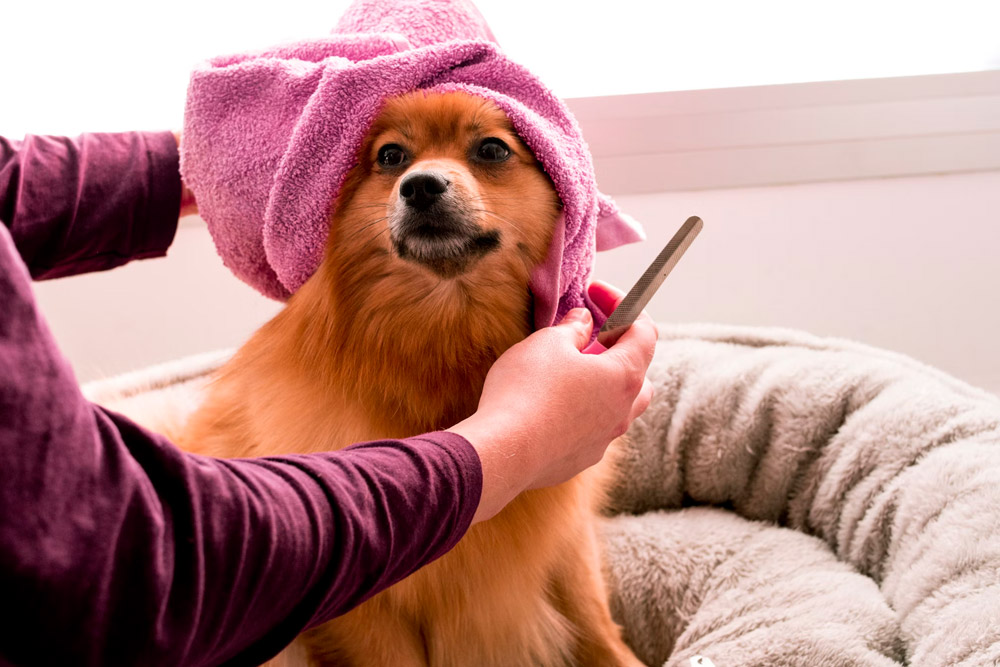
A grooming appointment can be a stress-free, even enjoyable experience for a dog — or it can be something they dread. Which way it goes often comes down to preparation: the habits built in the weeks before an appointment, the morning-of routine, and what happens when owner and dog arrive at the salon.
This guide walks through practical steps you can take to help your dog feel as comfortable as possible on grooming day, with advice for both first-time visitors and dogs who have developed some anxiety around appointments over time.
Understanding Grooming Anxiety
Before diving into preparation tips, it's worth acknowledging that some dogs genuinely find grooming stressful — and that's a reasonable response for an animal who doesn't understand why they're being bathed, dried with a loud machine, or having their nails clipped. Grooming involves unfamiliar smells, sounds, handling by a relative stranger, and physical contact with areas many dogs are instinctively protective of (paws, ears, face).
Anxiety around grooming isn't a character flaw. For many dogs, it's a learned association based on past experiences — being rushed, handled too firmly, or encountering a groomer who didn't take the time to build rapport. The good news is that with the right approach, most dogs can learn to tolerate — and many can learn to relax during — grooming appointments.
Building Positive Associations at Home
The most effective preparation for a grooming appointment happens long before appointment day. Dogs that are regularly handled at home — having their paws touched, ears gently examined, coats brushed — are significantly more at ease when these things happen in a salon setting.
Regular Brushing
If your dog isn't used to being brushed, start slowly. Begin with a session of just a minute or two in a location where your dog is relaxed — on the couch, on the floor beside you. Use a brush that suits their coat type and work gently. Pair the brushing with something positive: calm praise, small treats, a favourite toy held nearby.
As your dog becomes comfortable, gradually extend the sessions. The goal isn't to groom them thoroughly every time — it's to build familiarity with the sensation and the tools. A dog that is brushed two to three times a week at home will almost always be calmer at a professional appointment than one who is brushed rarely or never.
Paw and Ear Handling
Many dogs are protective of their paws. If your dog pulls away when you try to touch their feet, a gradual desensitisation process can help. Start by touching the leg briefly and rewarding calm acceptance. Over time, work toward touching the paw, then individual toes, then gently squeezing each digit. This type of handling practice — done regularly and always paired with something positive — makes nail trimming significantly less stressful.
Similarly, getting your dog used to having their ears touched — gently lifting the ear flap, looking inside, handling the area — prepares them for the ear-cleaning portion of a grooming appointment.
Bath Time Familiarisation
If your dog has limited experience with baths at home, consider introducing them gradually rather than waiting until a full appointment. A bath at home using lukewarm water and a gentle shampoo — done calmly and with plenty of positive reinforcement — helps a dog understand that water and washing aren't threatening experiences.
In the Days Before the Appointment
Brush Out Before You Come In
A light brush-out before the appointment helps your groomer in several practical ways. It removes loose fur, gives you a chance to notice any tangles that might need extra attention, and means the groomer can spend more appointment time on the actual groom rather than working through accumulated knots.
If you know your dog's coat has developed significant mats, let the salon know at the time of booking. Severely matted coats sometimes require a different approach or extra time, and it's better for everyone to discuss this upfront.
Exercise Before the Appointment
A dog who has had a good walk or play session before a grooming appointment often settles more easily. Exercise is a healthy outlet for nervous energy, and a moderately tired dog is usually calmer and more compliant than one that is wound up and over-excited. Aim for a walk of at least 20–30 minutes in the morning before an appointment.
Avoid Feeding Right Before
Bathing on a full stomach isn't comfortable for dogs, just as it isn't particularly comfortable for people. Avoid giving your dog a large meal in the hour or two immediately before their appointment. A small treat is fine, but hold off on feeding their main meal until they're home.
On the Day of the Appointment
Arrive on Time
Arriving slightly early for a grooming appointment rather than rushing in at the last moment makes a difference. A dog who has had a moment to sniff around the outside of the salon, observe the environment, and settle their energy is more relaxed going in than one who is hurried straight from the car to the grooming table.
Stay Calm Yourself
Dogs read their owners. If you're anxious about how your dog will behave, or if you're apologetic and tense when you hand them over, your dog notices this and often mirrors it. A calm, matter-of-fact handover — treating the appointment as a normal, unremarkable event — sends a reassuring message to your dog.
Prolonged goodbyes can inadvertently increase a dog's anxiety by signalling that something significant is happening. A brief, cheerful departure tends to work better than a drawn-out farewell.
Communicate Clearly with Your Groomer
Before the appointment begins, let your groomer know anything relevant about your dog. This includes:
- Areas where your dog is sensitive or protective
- Any injuries, recent surgeries, or physical limitations
- Previous grooming experiences that were difficult
- What you'd like the coat to look like after the appointment
- Whether your dog has any health conditions that might affect the appointment
The more a groomer knows going in, the better they can tailor the approach to your individual dog. Good communication between owner and groomer is one of the most undervalued parts of a positive grooming experience.
For Puppies: First Appointments
First grooming appointments for puppies deserve particular care. The experiences a puppy has between 8 and 16 weeks of age shape their responses to similar situations for the rest of their life. A calm, positive first encounter with grooming — even a brief one — is a genuinely worthwhile investment.
Ask your grooming salon about puppy introduction sessions specifically. These appointments are generally shorter and more relaxed than a full groom, focused on familiarisation rather than a complete styling. At Adorable Pet Grooming, our puppy introduction sessions are designed by Emma Torres, who has a background in animal behaviour and understands how to make these first encounters positive ones.
For the weeks before a puppy's first appointment, work on all the handling practices described earlier in this article — brushing, paw handling, bath introduction. The more familiar a puppy is with being handled by the time they arrive at a salon, the smoother their first appointment will be.
After the Appointment: Positive Reinforcement
What happens when you collect your dog matters too. A warm, positive reunion — calm praise, a small treat, time to reconnect — reinforces that the end of the grooming appointment is a good thing. Over time, this positive end-of-appointment association can help a dog come to view grooming days more neutrally, or even positively.
If your dog seems unsettled after their appointment — either because they're tired from a long session or because they found it stressful — give them a quiet afternoon to decompress. A calm environment, access to their bed or favourite space, and some gentle interaction help them return to their usual baseline.
When a Dog's Anxiety Is Significant
For dogs with severe grooming anxiety — those that shake, refuse to eat, or become highly distressed — the process of building positive associations may need to move more slowly and be supported by a professional animal behaviourist or veterinarian. There is no shame in seeking that support. Some dogs have deep-seated fears around handling that require more than preparation tips; they need a structured, gradual desensitisation process.
If this sounds like your dog, speak openly with your groomer. A good groomer will work with you to find an approach that is manageable for the animal rather than insisting on pushing through an experience that is causing genuine distress.