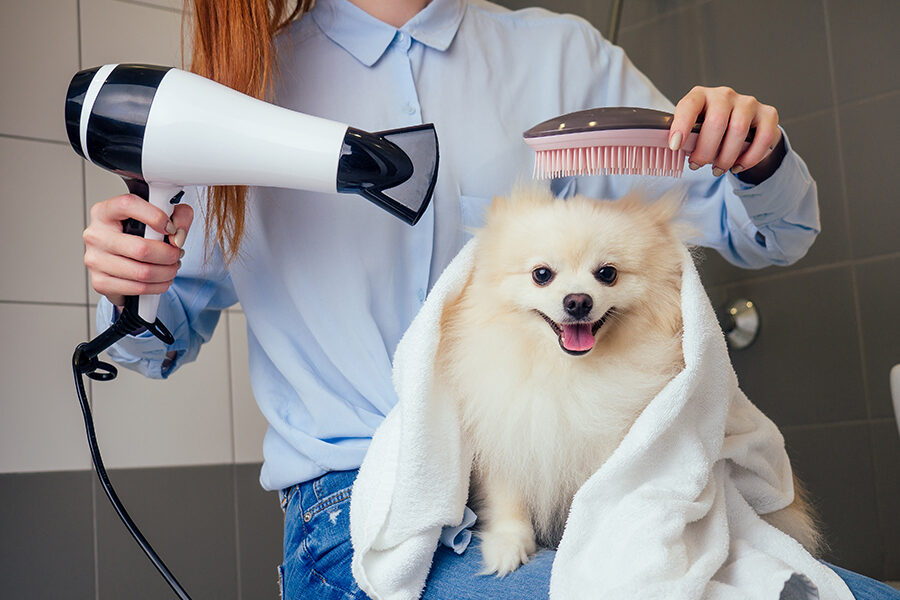
When pet owners think about professional grooming, the first thing that usually comes to mind is appearance — a tidy coat, neat nails, a fresh-smelling dog. But the benefits of regular professional grooming extend well beyond how a dog looks. For many breeds, professional grooming is an important part of their overall health maintenance.
This article examines the practical, health-oriented reasons to keep your dog on a regular grooming schedule — not as a luxury, but as part of responsible pet ownership.
1. Coat Health and Skin Condition
A healthy coat is not just aesthetically pleasing — it serves as a functional barrier for your dog's skin, regulating temperature and providing protection against environmental irritants. Coats that are regularly brushed, bathed with appropriate products, and kept free of mats perform this function far more effectively than neglected coats.
Matting is one of the most significant consequences of infrequent grooming for medium and long-coated breeds. Mats form when shed hair becomes tangled with living coat, creating dense clumps that sit close to the skin. As they tighten, they pull on the skin, restrict blood flow to that area, and create a warm, moist environment beneath — ideal conditions for bacterial and fungal growth.
Regular professional grooming prevents mats from forming, or addresses minor tangles before they become problematic. Professional groomers also use quality shampoos and conditioners suited to different skin and coat types — products that clean thoroughly without stripping the coat's natural oils.
2. Early Detection of Health Issues
This is one of the less-discussed but genuinely significant benefits of professional grooming. A groomer who sees your dog regularly and handles them closely is often in a good position to notice changes that might otherwise go undetected.
During a grooming appointment, a groomer will typically encounter the full surface of a dog's body — including areas that owners may not examine frequently. Things a groomer might notice and flag to an owner include:
- Skin lumps or unusual growths
- Signs of flea or tick infestation
- Ear odour or discharge that may indicate infection
- Hot spots, redness, or skin irritation
- Changes in coat texture or condition that may indicate nutritional or health issues
- Dental changes (if the dog's face is being groomed)
- Swelling or changes in limb movement when handling paws
A groomer isn't a vet and won't diagnose conditions. But raising a concern — "I noticed a small lump near her hip that wasn't there last time" — can prompt an owner to make a vet appointment that leads to an earlier diagnosis. In the case of conditions like skin cancer or infections, earlier intervention tends to lead to better outcomes.
3. Nail Care and Mobility
Nails that are allowed to grow too long affect the way a dog stands and moves. When nails touch the floor, they push the toes backward, altering the angle of the foot and placing stress on joints that weren't designed to carry weight in that configuration. Over time, chronically long nails can contribute to discomfort in the paws, ankles, and further up the leg.
For most dogs, nails need trimming every 3–6 weeks. Dogs who walk frequently on hard surfaces like concrete will naturally wear their nails down somewhat, but indoor dogs or those who exercise primarily on grass often need more frequent trims. A good guide is to listen: if you can hear your dog's nails clicking on a hard floor, they're due for a trim.
Regular nail trims also keep the quick — the blood vessel inside the nail — from growing too long. When nails are maintained consistently, the quick stays short and trimming is straightforward. Nails that haven't been trimmed in months often have a long quick, making every trim a more careful exercise.
4. Ear Health
Certain breeds are particularly prone to ear problems — specifically those with floppy, heavily feathered ears like Cocker Spaniels, Basset Hounds, and Cavaliers, or breeds like Poodles and Doodles that grow hair inside the ear canal. These breeds benefit from regular ear inspection and cleaning as part of their grooming routine.
Ears that aren't regularly cleaned can accumulate wax and debris, trapping moisture and creating conditions that support bacterial and yeast growth. An ear infection in its early stages may show as redness, a mild odour, or the dog occasionally shaking their head. Left unaddressed, ear infections can become chronic and uncomfortable, and in severe cases affect hearing.
A professional groomer will clean accessible ear surfaces using appropriate solutions and remove excessive ear hair in breeds where this is recommended. If anything appears unusual — significant discharge, an intense smell, or obvious discomfort — a good groomer will suggest veterinary attention rather than proceeding with treatment outside their scope of expertise.
5. Comfort in Queensland's Climate
Queensland's warm, humid climate adds an additional dimension to the grooming conversation. Dogs with thick or long coats can become uncomfortably warm during summer months, and a coat that's too long or too dense can trap heat and moisture against the skin.
Professional grooming in summer can include trimming to a more manageable length (within safe limits — shaving a double coat is generally not advisable), ensuring the coat is thoroughly dried after baths to prevent skin irritation, and recommending home maintenance practices that keep the coat in good condition between appointments.
Dogs who swim during warmer months need particular attention — a coat that is repeatedly wet and not properly dried can develop hot spots and fungal skin conditions. Regular grooming appointments provide an opportunity to check for early signs of these issues and advise on home care.
6. Reduction of Allergens in the Home
For households with members who have pet-related allergies, regular grooming can meaningfully reduce the amount of dander and loose fur in the environment. A professional deshedding treatment removes far more loose undercoat than home brushing alone, and a thorough bath washes away accumulated dander, pollen, and other allergens that have collected in the coat during outdoor time.
This isn't a cure for pet allergies, and it won't work for everyone. But for mild to moderate sensitivities, more frequent grooming appointments can make a noticeable difference to the level of allergens in the home environment.
7. Behavioural Benefits of Calm Handling
Dogs that are accustomed to being regularly handled — having their paws touched, ears checked, and teeth examined — are generally calmer in situations where this is necessary. Veterinary examinations, for instance, are much less stressful for a dog who is used to being handled in these ways.
Professional grooming appointments, when conducted with patience and positive reinforcement, contribute to a dog's overall tolerance of handling. This is especially important for puppies, whose early experiences shape their lifelong responses to grooming-type situations. A puppy who has positive grooming experiences from a young age tends to grow into an adult dog who handles appointments calmly and without distress.
8. The Professional's Eye
There is a practical dimension to professional grooming that's easy to overlook: a professional groomer has done this work across hundreds or thousands of appointments. They know what a healthy ear should smell like, what a normal skin tone looks like through a clean coat, what a mat feels like in its early stages versus when it's already dense and tight. They have good-quality tools and know how to use them effectively for different coat types.
A home brush-out is a valuable part of coat maintenance between appointments, but it doesn't replace what a professional can do with the right equipment, products, and experience. The combination of regular home brushing and consistent professional appointments gives a dog's coat the best chance of staying healthy and manageable throughout their life.
Ready to Book an Appointment?
Our team at Adorable Pet Grooming is happy to discuss your dog's specific needs and put together a grooming plan that makes sense for their breed and coat type.
Get in Touch